What is a Combat Veteran?

What is a Combat Veteran?

The VA states:

Veterans, including activated Reservists and members of the National Guard, are [Combat Veterans] if they served on active duty in a theater of combat operations…and have been discharged under other than dishonorable conditions.

[However, the above definition is for eligibility for VA benefits]

The American War Library states:

What is a Veteran? – A veteran is defined by federal law, moral code and military service as “Any, Any, Any”… A military veteran is Any person who served for Any length of time in Any military service branch.

What is a War Veteran? – A war veteran is Any GI (Government Issue) ordered to foreign soil or waters to participate in direct or support activity against an enemy. The operant condition: Any GI sent in harm’s way.

What is a Combat Veteran? – A combat veteran is Any GI who experiences any level of hostility for any duration resulting from offensive, defensive or friendly fire military action involving a real or perceived enemy in any foreign theater.  Wartime medals also define various levels of individual combat involvement, sacrifice and/or valor.

The above statements are pretty broad and do not adequately describe the troops of Charlie Company.  So here are my definitions of an Army Combat Veteran who served in Vietnam:

–          You were eligible and received a Combat Infantryman Badge.

–          You were eligible and received a Combat Medical Badge.

–          You may have received a Purple Heart.

–          You may have received various medals with V device for valor.

–          You were assigned to Charlie Company and humped the boonies.

Fast Freddy says:

if you lived behind wire, if you were in the rear echelon, if you slept in a bed, if you ate hot food, if you took hot showers, if you used a flush toilet, if you got laid regularly, you were NOT a Combat Veteran
This slideshow requires JavaScript.

True Friendship

Bud writes:

People wonder how a group of men who knew each other for such a short period of time could retain a friendship for so many years without making contact.  For those of us who were there the answer is easy.  The intensity of our situation forged a relationship like no other.   Those days of being kids a long way from home and depending on each other to stay alive changed our lives forever.  There are a lot of things about Vietnam I would have chosen not to have experienced but today I am reaping the benefits of that year…your friendship.  Make no mistake about it,  you have touched my life,  now and for the years since 1967-68.

You can’t say it better than that.

Transport Ship Graffiti

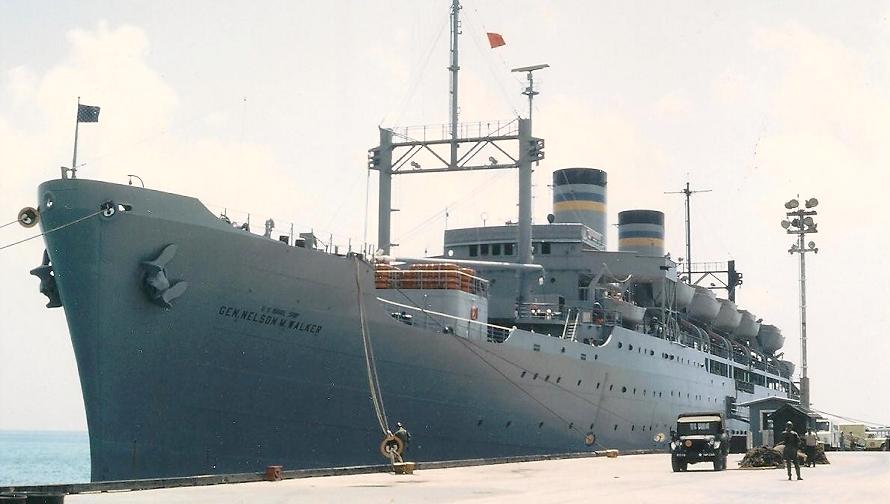
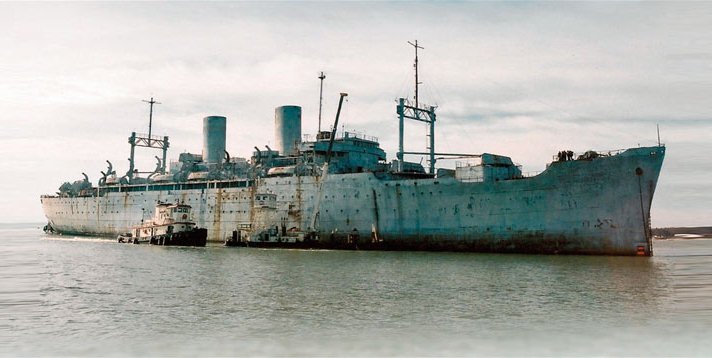
The US Naval Ship General Nelson M. Walker was one of three ships that took the US Army’s 4th Infantry Division to Vietnam in 1966. On July 21, 1966 the 1st Battalion of the 22nd Infantry Regiment sailed on the Walker from Tacoma, Washington and sixteen days later, on August 6, 1966, landed at Qui Nhon, Republic of South Vietnam. The Regulars who sailed on the Walker are affectionately known as the “Boat People” and the “Walker Babies”.

Graffiti found on the General Nelson M. Walker’s berthing units represents the most honest expression of the writer’s feeling at the moment written. Musings of home town, love, women, anxiety, military pride, the 1960’s, humor and folk art-like drawings express a soldier’s or Marine’s personal feelings and aspirations, likes and dislikes. The graffiti also indicates how a person felt in the middle of a vast ocean, facing an uncertain future.

To read more, Click on Graffiti Project

Army Pursues 30-year Modernization Strategy

Army Pursues 30-year Modernization Strategy

by Michael Hoffman

Army leaders want to transform their service the way their counterparts did in the 1980s when the Army built the legacy systems known as the “Big Five” that soldiers still use today — the Abrams tank, Bradley infantry fighting vehicle, Apache helicopter, Black Hawk helicopter, and Patriot air defense system.

The Army is entering a period of transition after spending the past 11 years fighting wars in Iraq and Afghanistan. Soldiers see technology outpacing their aging vehicles and weapons.

The service wants to make wholesale replacements or upgrades to some of the Army’s warhorses such as the Humvee, the Bradley, and its entire stock of radios. Unlike the 1980s, the Army will not have the benefit of the Cold War threat, which gave it essentially a blank check from lawmakers to restock its forces. Continue reading